Gear quality is typically classified according to international standards (e.g., AGMA, ISO, DIN) or industry specifications. Common grades include:
Standard Grade (Class 8-9)
Suitable for low-speed, low-load applications such as agricultural machinery or low-end commercial vehicles.
Higher tooth surface roughness with moderate noise and vibration control.
Medium Grade (Class 6-7)
Used for moderate load and speed applications, such as standard commercial vehicles or construction machinery.
Features improved precision and durability through finish hobbing or preliminary grinding.
High-Precision Grade (Class 4-5)
Designed for high-speed, heavy-load, or high-reliability applications, such as premium passenger vehicles and heavy-duty trucks.
Minimal tooth profile error, requires grinding process, offers low noise and extended lifespan.
Ultra-Precision Grade (Class 1-3)
Applied in high-performance vehicles (e.g., race cars, EVs) or specialized industrial fields.
Requires full grinding and special heat treatment, achieving micron-level precision and ultra-high transmission efficiency.
II. Benefits of Full Gear Grinding
Full gear grinding (complete tooth profile grinding) provides significant advantages over conventional methods like hobbing or shaving:
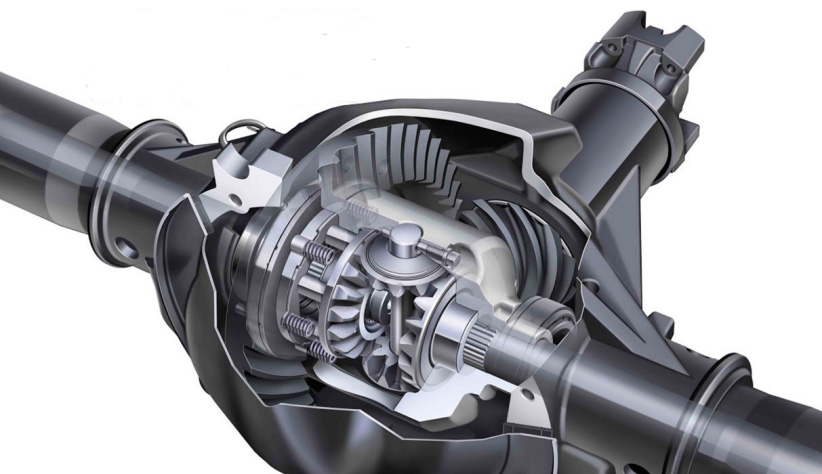
1.Higher Precision
Controls tooth profile and alignment errors at micron levels, ensuring smoother meshing and reduced transmission shock.
2.Lower Noise & Vibration
Achieves superior surface finish (lower Ra value), reducing gear meshing noise by 3–5 dB.
3.Enhanced Strength & Durability
Eliminates heat treatment distortions, optimizes residual stress distribution, and extends fatigue life by over 30%.
4.Optimized Contact Pattern
Enables precise contact zone modification, minimizing edge stress concentration and preventing premature pitting.
5.Superior Performance in Demanding Conditions
Ideal for high-speed (>3000 rpm), high-torque, or low-lubrication scenarios (e.g., electric vehicles).
 SiAECOSYS-SEVS